
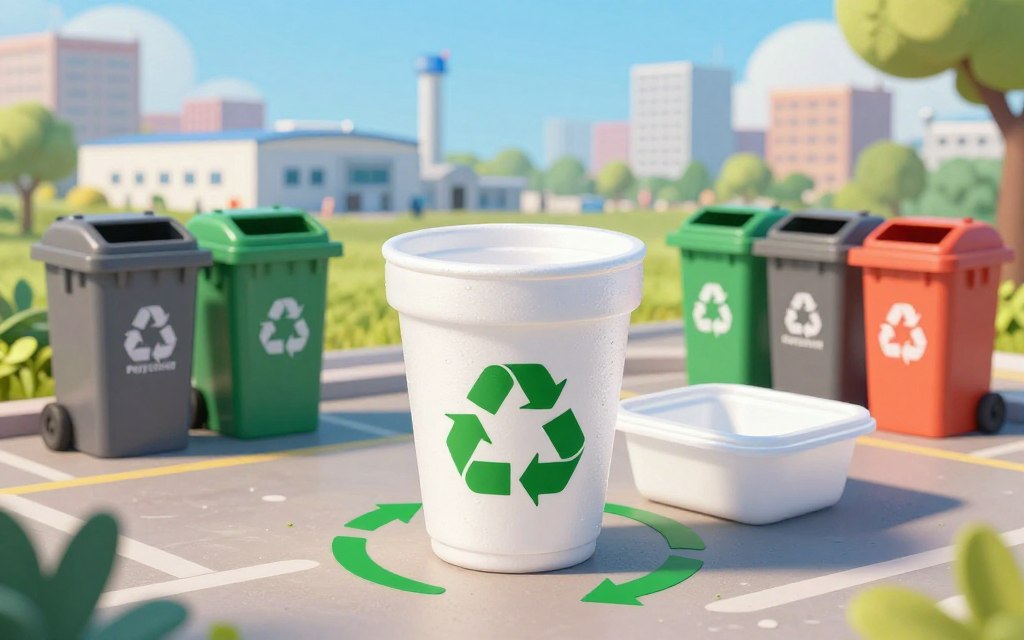
Is polystyrene recyclable? The answer depends on its type, condition, and local recycling policies. Knowing what materials programs accept supports effective waste management.
Most curbside programs across the United States do not accept foam polystyrene. Some specialized drop-off locations and commercial programs may accept it. Clean, rigid polystyrene differs from EPS, expanded polystyrene foam; Styrofoam is a trademarked name used informally for foam products.
For polystyrene disposal, learn how to dispose of polystyrene: check local rules, prepare materials, and find drop-off sites. Consider alternative disposal methods to reduce litter and landfill waste. Never recycle polystyrene in your bin unless your local program accepts it.
Key Takeaways
- Recyclability of polystyrene varies by type and local policies.
- Most curbside programs do not accept foam polystyrene.
- Clean, rigid polystyrene is different from expanded polystyrene foam.
- Check local rules for recycling and disposal options.
- Consider reusing packaging to minimize waste.
Understanding Polystyrene: What It Is and How It Is Used
What is polystyrene? It is a common plastic made by polymerizing styrene, a chemical derived from petroleum. This synthetic material is lightweight and versatile, so it suits many applications.
What Is Polystyrene and How Is It Manufactured?
Polystyrene forms when styrene monomers, or small molecules, join into long chains through polymerization. This process creates a solid plastic that can take many shapes. It also makes expanded polystyrene and rigid polystyrene, which serve different purposes.
Expanded Polystyrene (EPS) vs. Rigid Polystyrene
There are two main forms: expanded polystyrene (EPS) and rigid polystyrene. EPS forms when air expands small plastic beads, creating lightweight foam. Its high volume-to-weight ratio suits protective packaging, coolers, and insulation.
In contrast, rigid polystyrene is denser and often serves food containers, laboratory products, and disposable cutlery.
Everyday Products Made from Polystyrene
Polystyrene products are common in daily life. You can find them in:
- Food packaging and takeout containers
- Protective packaging for shipping
- Insulation materials in construction
Different polystyrene types may look alike but have different recycling rules. Identify the material and follow local recycling guidelines.
Related Posts:
Is Polystyrene Recyclable?
Polystyrene recycling can confuse many people. Polystyrene is technically recyclable, but curbside programs accept it differently across the United States. Knowing these limits supports responsible disposal.
The Short Answer to Polystyrene Recyclability
In short, yes, polystyrene is recyclable. However, not every facility accepts it, and access varies by location. Specialized facilities support foam recycling by densifying, melting, or reprocessing certain clean products into new plastic goods.
Why the Answer Varies by Location and Facility
The recycling capabilities for polystyrene depend on several factors:
- Local Regulations: Different cities and counties have varying rules about what can be recycled.
- Type of Polystyrene: Rigid polystyrene and foam products may be treated differently.
- Food Contamination: Items that are food-soiled often cannot be recycled.
- Sorting Equipment: Not all facilities have the technology to sort polystyrene effectively.
- Market Demand: The availability of end markets for recycled polystyrene affects its acceptance.
Check local recycling guidelines before placing polystyrene in your recycling bin. Wrong materials can contaminate an entire load, causing processing problems and higher costs.
The Resin Identification Code #6 Explained
Polystyrene carries the recycling code #6. This recycling code 6 identifies the material but does not guarantee local acceptance. The #6 symbol appears on rigid and foam products, so check local disposal guidelines.
Can you recycle polystyrene? Sometimes, but acceptance is not universal. Check with your local government or recycling provider for proper disposal. For more detailed information on polystyrene recycling, visit this expert guide.
Why Polystyrene Recycling Is Challenging
The challenges of polystyrene recycling include market demand, contamination, and economic limits. Although polystyrene is technically recyclable, these barriers make recycling difficult.
Low Market Demand for Recycled Polystyrene
Recycled polystyrene has limited market demand. Cheap virgin plastic makes it hard for recycled material to compete. Manufacturers often choose new plastic instead of funding recycling, which further lowers demand.
Contamination Issues in the Recycling Stream
Contamination creates a major barrier to effective recycling. Food residue, grease, and debris can lower the quality of recycled polystyrene. Food-service items may need more cleaning, water, and labor than their material is worth. Many facilities therefore reject contaminated foam.
Economic and Logistical Barriers
Polystyrene’s low density makes collection and transport inefficient because large volumes contain little plastic. Compacting or densifying expanded polystyrene (EPS) can improve plastic recycling economics, but recycling facility limitations remain. Many municipal facilities lack this specialized equipment, and foam can break apart during sorting, clogging machines and slowing the process.
| Challenge | Description | Impact on Recycling |
|---|---|---|
| Low Market Demand | Recycled polystyrene competes with cheap virgin plastic. | Limits profitable end markets. |
| Contamination | Food residues and debris affect quality. | Leads to rejection of materials. |
| Logistical Barriers | Low density makes collection inefficient. | Increases costs and complicates processing. |
Common Types of Polystyrene Products You Encounter
Polystyrene appears in many daily products, so identifying each item supports proper disposal and recycling. These products include food packaging and insulation, so knowing their types helps you manage waste.
Food Packaging and Disposable Containers
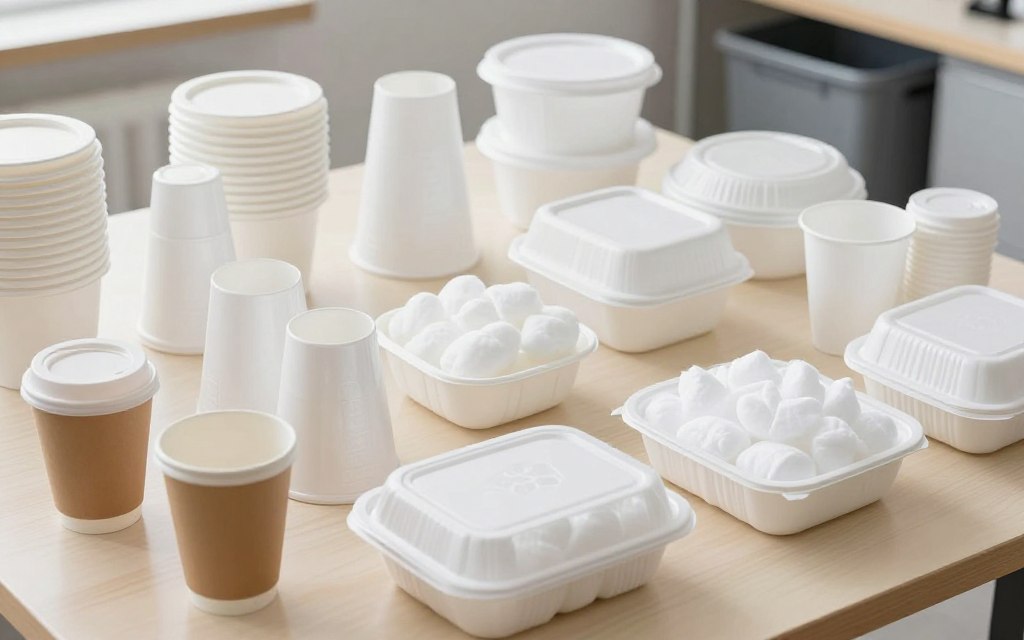
Many people use polystyrene food containers without realizing it. These include foam cups, plates, trays, clamshell containers, takeout boxes, meat trays, and egg cartons. Curbside programs often exclude them because food contamination causes problems, so clean them thoroughly before disposal.
Protective Packaging and Shipping Materials
Polystyrene protects shipped goods through molded foam blocks, corner pieces, sheets, and loose-fill packing peanuts. These materials shield electronics, appliances, and furniture from damage during shipping. Not all programs accept loose-fill packaging, so check local rules for EPS packaging and packing peanuts disposal.
Insulation and Construction Materials
Construction often uses polystyrene insulation in boards, foundations, roofs, and building panels. Construction foam may contain adhesives, coatings, dirt, or other materials, making regular recycling unsuitable. Keep these materials separate from household recyclables.
A clean, dry shipping insert may be reused or sent to a specialized recycler. A food-soiled container may need disposal under local waste rules. Always verify your area’s recycling guidelines before choosing the right option.
How to Identify Recyclable Polystyrene in Your Area
Finding local polystyrene recycling options helps you dispose of foam in a more sustainable way. Each region has different rules about accepted polystyrene types, so begin with local resources.
Checking Local Curbside Recycling Guidelines
Visit your city’s or county’s waste management website first, and check the recycling calendar and accepted materials list for curbside recycling rules. These details may show whether curbside service accepts foam or resin code #6 materials. However, accepted plastic may exclude polystyrene; clean rigid types may differ from EPS packaging or food-service foam.
Using Online Tools to Find Recycling Drop-Off Locations
If curbside choices are limited, search online for recycling drop-off near me. State environmental agencies, county recycling databases, retailers, and manufacturers may list nearby facilities through online tools. Check operating hours, material restrictions, and whether service is free or commercial.
Contacting Local Waste Management Authorities
When online information is unclear, contact your local waste management authority. Ask what polystyrene types they accept, cleanliness requirements, and load limits. Policies can change, so confirm details before a disposal trip, especially after moving or receiving new packaging materials.
| Resource Type | Where to Find | Key Information |
|---|---|---|
| Local Waste Management Website | Your city or county’s official site | Accepted materials list, recycling calendar |
| Online Directories | State environmental agency websites | Drop-off locations, hours, restrictions |
| Retailer Locator Tools | Major retailers’ websites | Find nearby recycling facilities |
Step-by-Step Guide to Dispose of Polystyrene Properly
To reduce environmental harm, follow these steps for proper polystyrene disposal. They explain how to dispose of foam responsibly.
Step 1: Clean and Separate the Polystyrene Material
Separate polystyrene from regular trash to prepare EPS for recycling. Keep recyclable pieces clean and dry. Empty and wipe food containers; rinse them only when your local program allows it. Do not take heavily contaminated foam to a recycling drop-off.
Step 2: Remove Non-Polystyrene Components
Next, check for attached materials and remove items such as:
- Cardboard
- Plastic film
- Tape and labels
- Metal fasteners
- Paper inserts and wood
These materials can lower your recycling load’s value or make it unacceptable for recycling.
Step 3: Compress or Break Down Large Pieces
If your facility allows it, break down large EPS pieces. Work carefully, and do not scatter lightweight foam outdoors. Never burn, melt, or chemically treat polystyrene at home; these actions can release harmful substances.
Step 4: Locate an Appropriate Recycling or Drop-Off Facility
Before leaving, confirm that your chosen polystyrene drop-off accepts this material. Options include a specialized recycler, retailer, community event, or municipal drop-off site. Always verify acceptance to avoid unnecessary trips.
Step 5: Arrange Pickup or Deliver the Material
Deliver small household quantities directly; businesses, movers, retailers, and construction sites often need scheduled pickups or commercial recycling services. When transporting it, place clean foam in bags or boxes to prevent windblown litter. Keep it dry, and avoid mixing it with curbside recyclables unless your hauler allows it.
If no recycling option exists locally, follow your area’s trash instructions. Never dump or burn polystyrene, because these actions can harm the environment.
Polystyrene Disposal Alternatives and Reuse Options
Exploring foam packaging reuse and other alternatives to recycling polystyrene can reduce waste. Clean molded foam inserts support reuse for moves, equipment storage, seasonal decorations, crafts, or shipping fragile items. Save them only when they remain intact and free from pests or moisture.
Do not reuse food-service foam for food if it is damaged, dirty, or not designed for repeated use. This protects safety and hygiene.
Reusing Polystyrene at Home and in the Office
At home and work, people can reuse polystyrene in many ways. Businesses can use foam packaging to protect equipment during storage or transport. At home, foam inserts can organize items or support DIY projects.
Donating Packaging Materials to Local Businesses
You can also donate packing materials to local businesses. Shipping stores, moving companies, schools, theater groups, community organizations, and thrift stores may need foam packaging. Contact them first to confirm they accept donations.
Mail-Back Recycling Programs for Foam Packaging
Mail-back foam recycling programs offer convenient recycling through manufacturers, retailers, or specialized recyclers. They may provide prepaid or customer-paid shipping, but rules can limit materials, require minimum quantities, or charge fees. Compare the environmental and financial costs of shipping low-density foam with local disposal options.
Reuse is often more practical than recycling when polystyrene is clean, durable, and easy to pass along. These options help prevent waste and support a more sustainable approach to polystyrene management.
Polystyrene Recycling Programs and Facilities in the United States
U.S. polystyrene recycling programs include dedicated facilities and local collection efforts. These options help people manage polystyrene waste and send it for proper processing. Many groups recycle expanded polystyrene (EPS) and other polystyrene types.
Major EPS Recycling Companies Operating Nationwide
Several EPS recycling companies operate across the United States and serve businesses and consumers. They often collect clean foam from retailers, distribution centers, and selected residential drop-off points. Key players in the EPS recycling industry appear below:
| Company Name | Location | Services Offered |
|---|---|---|
| Green Cell Foam | Nationwide | Biodegradable packaging solutions |
| Recycling Services | California | EPS collection and recycling |
| Polystyrene Recycling | New York | Commercial foam recycling |
State and Municipal Programs Worth Knowing
Many states and municipalities offer programs that support polystyrene recycling. These municipal foam recycling efforts may include:
- Temporary collection events for residents
- Permanently designated drop-off sites
- Transfer-station programs for larger quantities
Some programs accept only commercial quantities, while others serve households. Check each program’s accepted materials and contamination limits before using it.
Industry Initiatives and Manufacturer Take-Back Programs
Several manufacturers have started programs, including a manufacturer take-back program, for products with molded polystyrene packaging. These programs may cover:
- Electronics
- Appliances
- Furniture
Before using a take-back program, research its service area, material rules, and fees. This helps you choose a legitimate recycling option instead of a general waste disposal service.
Environmental Impact and the Future of Polystyrene
The environmental impact of polystyrene concerns ecosystems because this material is hard to recycle. It is common in packaging and insulation, and it adds greatly to plastic pollution. Polystyrene waste can break into microplastics that enter waterways and harm wildlife.
When people litter it, polystyrene can enter storm drains and oceans. Marine animals may mistake it for food, causing serious health risks and harming whole ecosystems. Polystyrene can remain for decades, making cleanup and control difficult.
New biodegradable packaging alternatives provide promising solutions. These include molded fiber, paper-based packaging, and recycled-content plastics. However, compostable materials often need specific commercial composting conditions and are not suitable for backyard composting.
As public awareness grows, states and localities are adopting polystyrene bans and other policies. Rules vary widely: some areas ban food containers and cups, while others allow exemptions or phase-in periods. It is essential to assess durability, reusability, and each replacement’s full life-cycle impacts.
| Alternative Material | Benefits | Limitations |
|---|---|---|
| Molded Fiber | Biodegradable, renewable | Higher cost, limited availability |
| Paper-Based Packaging | Recyclable, compostable | May not be waterproof |
| Recycled-Content Plastics | Reduces waste, recyclable | Still contributes to plastic pollution |
| Certified Compostable Materials | Designed for composting | Requires industrial composting facilities |
Conclusion
Our “is polystyrene recyclable” conclusion supports responsible waste disposal. Some specialized facilities accept polystyrene, but most United States curbside programs do not. Identify rigid polystyrene or EPS foam, then check local rules for proper disposal.
Remove contamination and non-polystyrene parts before recycling. Clean packaging can often be reused or donated, helping reduce plastic waste. For food-soiled materials, follow local instructions to prevent contamination in recycling streams.
Households and businesses can reduce waste by choosing reusable products. Limit unnecessary packaging and support take-back or specialized recycling programs when available. Do not rely on the #6 symbol; verify local acceptance first to recycle responsibly.
