
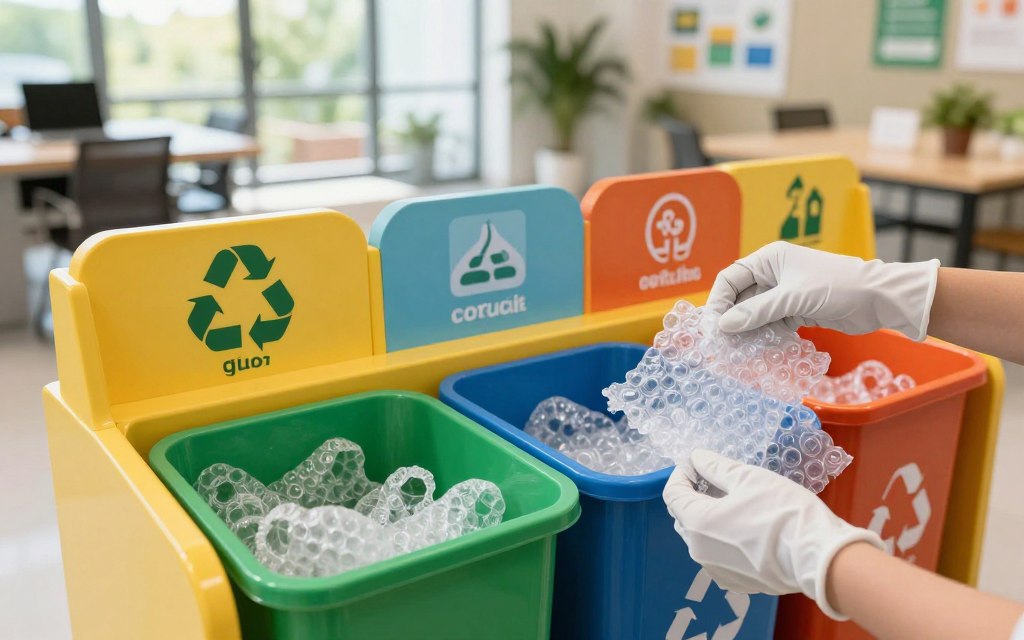
Many people ask, “is bubble wrap recyclable?” when considering plastic packaging waste. Some specialist programs accept this protective plastic, but standard curbside bins usually do not.
Proper bubble wrap disposal depends on its condition, local rules, and available drop-off points. Check your local authority’s guidance for recycling rules in your area. This guide explains how to identify, prepare, reuse, or replace this material.
Understanding local recycling practices can help reduce plastic waste. Recycle bubble wrap UK guidance varies by local authority. Follow these practical steps to manage this common household item responsibly.
Key Takeaways
- Check local guidelines for recycling plastic packaging.
- Specialist collection schemes may accept certain types of plastic.
- Prepare materials properly before disposal.
- Consider reusing packaging materials when possible.
- Explore alternatives to traditional plastic packaging.
What Is Bubble Wrap and Why It Matters for the Environment
What is bubble wrap? This widely recognized material cushions fragile items. It is lightweight, made from plastic film, and has sealed air pockets. Shipping, moving, retail packaging, and electronics protection use it widely in modern logistics.
Bubble wrap dates back to the 1960s, when it was invented as textured wallpaper. Its creators later recognized its potential and repurposed it as protective packaging. Today, many industries use it, showing its versatility and importance in protecting products during transport.
Despite its usefulness, the environmental cost of single-use plastic packaging is significant. Made from fossil-fuel-derived plastics, bubble wrap is light but persists in the environment. It often escapes waste systems and can be hard to sort at conventional recycling facilities.
The environmental impact of bubble wrap depends on reuse, contamination, and local systems’ ability to recover plastic film packaging.
Understanding these factors helps us make responsible choices about bubble wrap disposal and recycling. We must consider its full lifecycle and broader effects in daily life.
Is Bubble Wrap Recyclable? The Short Answer
Many people ask, can bubble wrap be recycled? It sometimes can, but standard curbside programs usually do not accept it. Recycling depends on the plastic type, clean and dry condition, and a local market.
Related Posts:
Recyclable material must meet several rules. It should use a recyclable plastic film, such as polyethylene, and remain clean and dry. Local facilities must also accept flexible plastic recycling, so acceptance varies by area.
What Makes a Material Recyclable
Recyclability depends on the plastic type, the item’s condition, and demand for recycled materials. Polyethylene is often accepted, but facilities are more likely to take clean, dry materials. Without demand for recycled bubble wrap, facilities may not process it, whatever its composition.
Why Bubble Wrap Falls Into a Grey Area
Bubble wrap can challenge recycling systems because its flexible film causes sorting and equipment problems. Supermarkets or specialized facilities may accept it, but that does not mean household recycling carts can take it. Bubble wrap recycling rules vary among councils, retailers, and waste operators, which can confuse consumers.
Understanding the Composition of Bubble Wrap
To understand bubble wrap recycling challenges, first learn what it contains. Conventional bubble wrap uses polyethylene bubble wrap, specifically low-density polyethylene, or LDPE plastic film. It cushions shipped products because it is flexible and light; manufacturers may vary composition by thickness, color, or additives.
Do not identify bubble wrap by appearance alone. Different products can look alike but contain different materials. For instance, some are sold as biodegradable bubble wrap or compostable packaging.
These labels promise environmental benefits, but they can mislead. Biodegradable options may need specific industrial conditions to break down effectively. Compostable products can contaminate regular plastic recycling when disposed of incorrectly.
For responsible disposal, follow the manufacturer’s instructions and local recycling guidelines. Knowing bubble wrap’s composition helps you make eco-friendly choices.
Why Bubble Wrap Cannot Go in Curbside Recycling
Understanding curbside recycling bubble wrap rules clears up common recycling mistakes. Curbside recycling uses recycling sorting machines, including conveyor belts, screens, magnets, and optical sorters. Each machine handles certain materials.
Unlike rigid containers or paper, bubble wrap creates flexible plastic recycling problems because it bends easily. It can wrap around rotating equipment, block machinery, or move unpredictably through screens. These problems may stop equipment and cause loads to be rejected.
Putting bubble wrap inside a cardboard box or paper bag does not fix the problem. It remains flexible, can disrupt processing, and may cause paper recycling contamination, lowering recovered-material quality.
Mixing bubble wrap with other recyclables can lower recovered paper quality and raise recycling facility costs. Unless your local authority explicitly accepts it, keep bubble wrap out of your recycling cart.
How to Identify Recyclable Bubble Wrap
Recyclable bubble wrap can be hard to identify, but knowing what to check makes the process easier. Inspect the packaging, product label, or manufacturer’s information before disposal. These steps help you identify recyclable plastic film and check local acceptance.
The bubble wrap recycling symbol is a useful first clue. It shows that the material uses recyclable plastic, but it does not ensure local acceptance. Always check local guidelines.
Reading the Recycling Symbols on Packaging
Check the recycling symbols on the packaging. They show which type of plastic the material uses. For bubble wrap, look for the resin identification code, usually inside a triangle of arrows. This code helps identify the plastic and guides recycling.
Spotting the Resin Identification Code
The most common code for bubble wrap is plastic number 4, which means low-density polyethylene (LDPE). However, some bubble wrap products do not show this code. Other materials may name the resin without explaining where to recycle it.
Separate clean, unprinted bubble wrap from materials attached to labels, tape, foil, or paper. These contaminants can affect recycling. Color, thickness, and brand do not reliably show whether bubble wrap is recyclable.
After identifying the material, follow instructions from your local council, retailer, or recycling facility. Local acceptance rules decide how to dispose of bubble wrap properly.
| Recycling Symbol | Description | Recyclability |
|---|---|---|
| ♻️ | Indicates recyclable material | Check local guidelines |
| 4 | Low-Density Polyethylene (LDPE) | Accepted in some areas |
| Not Displayed | No resin code present | May not be recyclable |
Step-by-Step Guide to Preparing Bubble Wrap for Recycling
Follow these simple steps to prepare bubble wrap for recycling. Proper preparation helps ensure recycling and makes the process more efficient.
Step 1: Remove Tape, Labels, and Paper Inserts
Start by removing tape from bubble wrap, labels, and paper inserts. These contaminants can hinder recycling, so safely remove staples, cardboard, and other attachments. Keep the clean plastic film free of remaining pieces.
Step 2: Deflate Air Bubbles or Keep Them Intact
Next, decide whether to deflate the bubbles or keep them intact. Collection points may have different rules, so flatten the film only when the facility requests it. If intact sheets are accepted, keep them whole and avoid punctures that create small fragments, sharp hazards, or contamination.
Step 3: Bundle the Bubble Wrap Cleanly
Make sure the bubble wrap is clean and dry. Fold or loosely bundle it as the facility instructs, and avoid a tied bag unless requested. A clean bundle helps recycling staff handle it.
Step 4: Find a Suitable Drop-Off Location
Finally, confirm that your supermarket collection point, household waste site, or specialist program accepts bubble wrap. Preparation improves handling, but it cannot override a facility’s material restrictions. Check local guidelines and bubble wrap drop-off rules before traveling to avoid a wasted trip.
| Step | Action | Importance |
|---|---|---|
| 1 | Remove contaminants | Ensures material is clean for recycling |
| 2 | Deflate or keep intact | Meets facility requirements |
| 3 | Bundle cleanly | Facilitates easier handling |
| 4 | Check drop-off location | Avoids wasted trips |
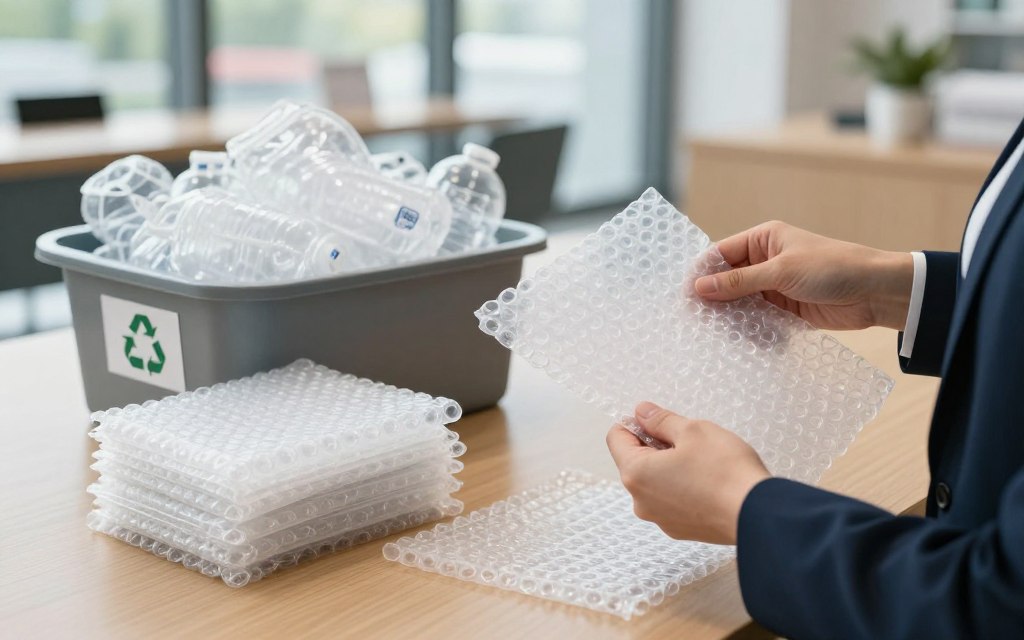
Where to Recycle Bubble Wrap in the UK
Finding where to recycle bubble wrap in the UK means checking local collection points and programs. Many people are unsure where to take it. Several options can help you dispose of it responsibly.
Supermarket Collection Points for Plastic Film
One easy option is using supermarket collection points. Many supermarkets provide supermarket recycling bins for UK plastic film recycling, and these may accept bubble wrap. Check each store’s signs or official guidance, because not all stores accept bubble wrap.
Local Recycling Centres and Household Waste Sites
You can also visit a local household waste recycling center or site, where flexible plastics may have dedicated containers. However, some sites do not have separate containers for bubble wrap. Contact your local council or check its online waste directory for opening hours, accepted materials, and exact instructions.
Online Recycling Schemes and Mail-Back Programs
For larger amounts of bubble wrap, or for businesses, online recycling schemes and mail-back programs may help. Review their fees, packaging rules, and geographic eligibility before choosing one. Also check their environmental claims to ensure they support your sustainability goals.
Reusing Bubble Wrap: Practical and Creative Ideas
Instead of tossing out bubble wrap, consider ways to reuse bubble wrap effectively. This versatile material can serve storage, moving, and creative projects for longer.
Using Bubble Wrap for Storage and Moving
Bubble wrap protects fragile items during storage or moving. It cushions glassware, ceramics, framed pictures, and electronics. For effective bubble wrap storage ideas, store it flat or loosely rolled in a dry location. Avoid excessive compression, which can damage its protective air pockets.
Creative Craft and Gardening Uses
Bubble wrap supports children’s art projects, texture printing, and decorative packaging. Bubble wrap gardening uses include insulating plant pots and cushioning delicate seedlings during transport. Do not block drainage, and avoid conditions that could tear it into litter.
Donate surplus clean bubble wrap to local moving groups, schools, or community organizations. This promotes reuse and helps others who need moving supplies. Reusing bubble wrap should not replace proper disposal once it becomes dirty or degraded.
| Use Case | Description | Best Practices |
|---|---|---|
| Storage | Protects fragile items like glassware and ceramics. | Store flat or loosely rolled. |
| Moving | Cushions electronics and framed pictures. | Avoid excessive compression. |
| Crafts | Used for art projects and decorative packaging. | Encourage creativity in children. |
| Gardening | Insulates pots and cushions seedlings. | Ensure proper drainage. |
Eco-Friendly Alternatives to Bubble Wrap
Exploring eco-friendly packaging alternatives can significantly reduce plastic waste. As environmental awareness grows, consumers and businesses seek sustainable packaging materials. Many options can replace traditional bubble wrap effectively.
Biodegradable Bubble Wrap Options
Biodegradable bubble wrap is one popular choice. It breaks down faster than conventional plastic, which can reduce landfill impact. Check recognized certifications, because some products need specific composting conditions.
Biodegradable bubble wrap can help, but not every product suits curbside recycling. Consumers should check biodegradable packaging UK guidance and local recycling rules.
Sustainable Packaging Substitutes
Alongside biodegradable options, several sustainable packaging materials deserve consideration. Corrugated cardboard inserts and molded pulp protect items during shipping. They are often recyclable and reusable, making them greener choices.
Other alternatives include paper cushioning, honeycomb paper wrap, and recycled paper padding. These materials usually work well with established recycling systems. Keep them clean, dry, and free from coatings or mixed materials.
Right-sizing packages and using product-specific inserts can reduce empty space and often protect items better. Businesses and households should assess the full packaging life cycle, not just marketing terms.
By choosing these eco-friendly packaging alternatives, we can reduce plastic waste and support a more sustainable future.
For more ideas about alternatives to plastic bubble wrap, check out this resource.
What to Do with Damaged or Contaminated Bubble Wrap
Damaged or contaminated bubble wrap needs the right disposal method. Do not recycle bubble wrap that is heavily soiled, greasy, wet, moldy, or chemically contaminated. For contaminated bubble wrap disposal, follow local waste rules.
Small amounts of ordinary household residue do not always make bubble wrap unrecyclable. Programs may set different standards, so place general waste bubble wrap in general waste. This protects specialist plastic-film collections from contamination.
When Bubble Wrap Should Go to General Waste
Heavily damaged plastic film should always go in general waste. This keeps contamination from causing problems at recycling facilities. Check local authorities for specific disposal instructions.
Energy Recovery and Incineration Considerations
Some waste facilities recover energy from residual waste through waste-to-energy. Reuse or recycling remains the better choice when available. Never burn bubble wrap at home; it can release hazardous fumes and create unsafe conditions.
Follow local waste hierarchy guidelines and official disposal advice. This helps reduce environmental harm and manage waste responsibly.
Common Mistakes to Avoid When Disposing of Bubble Wrap
Avoiding common bubble wrap disposal mistakes supports effective recycling and environmental responsibility. Many people miss specific disposal rules, causing contamination and inefficiency in recycling programs.
One common error is putting bubble wrap in paper recycling streams. Bubble wrap does not belong in that bin, even when it protects paper or cardboard. It can cause paper recycling contamination, jam sorting machines, and ruin recyclable material batches.
Another frequent mistake is ignoring local recycling guidelines. Each community has rules for recyclable items. Check your local council or recycling operator; rules change, and last year’s accepted items may no longer qualify.
Common Disposal Errors
- Assuming a recycling symbol guarantees acceptance.
- Combining clean and dirty bubble wrap.
- Leaving tape and labels attached.
- Taking bubble wrap to a drop-off site that does not accept it.
Remember this simple principle for recycling correctly: identify the material, keep it clean, and use an authorized recycling route. For detailed guidance, check out this resource.
| Common Mistakes | Impact on Recycling | Solution |
|---|---|---|
| Mixing bubble wrap with paper | Contaminates paper fibers | Dispose of bubble wrap separately |
| Ignoring local guidelines | Leads to rejected recyclables | Check local recycling rules |
| Assuming all symbols mean recyclable | Increases landfill waste | Verify with local facilities |
Conclusion
For responsible plastic disposal, remember this is bubble wrap recyclable conclusion: Bubble wrap is sometimes recyclable. However, curbside collection programs usually do not accept it. Recycle or reuse bubble wrap when clean to reduce waste and support sustainable waste management.
Next, identify the plastic type by checking its resin identification code. Remove tape and labels, then check local recycling guidelines for drop-off options. Many supermarkets and specialized drop-off points accept flexible plastics.
If bubble wrap is damaged or contaminated, do not recycle it. Follow local instructions for general waste disposal. Burning bubble wrap at home is not advisable because it releases harmful emissions.
Consumers can help by reducing unnecessary packaging, choosing durable or recoverable alternatives, and always checking biodegradable or compostable product claims.
Ultimately, responsible bubble wrap disposal depends on local systems. Before placing bubble wrap in any recycling container, confirm your area’s current guidelines. These steps help create a more sustainable future.
